


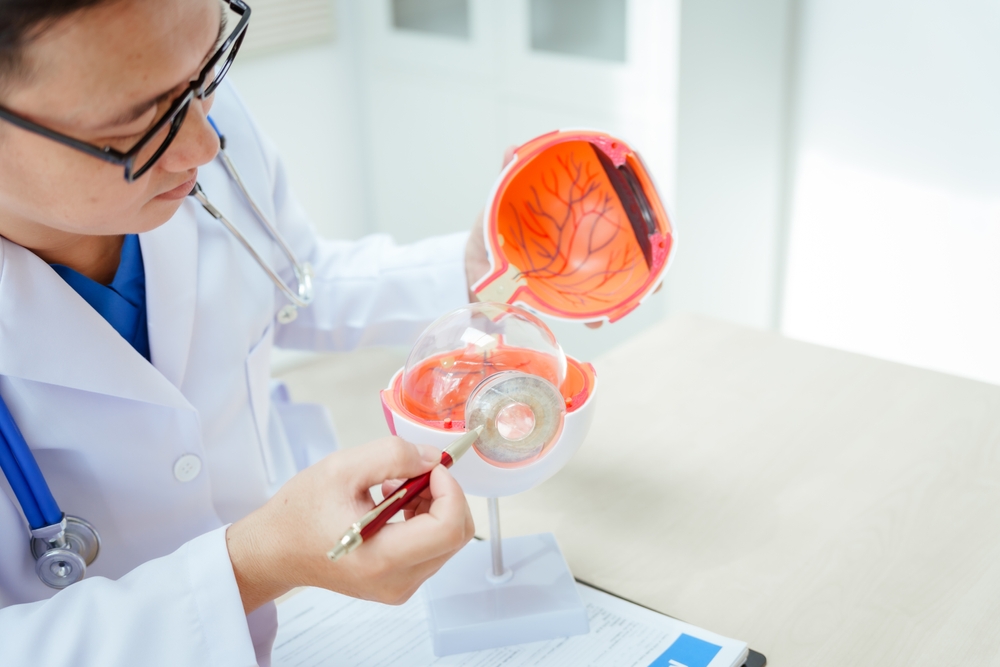
Diabetes affects how the body manages blood sugar. When blood sugar stays too high over time, it can damage small blood vessels throughout the body, including the delicate blood vessels in the retina. The retina is the light-sensitive tissue in the back of the eye that helps you see clearly.
This is why diabetic eye exams are so important. Even when vision seems normal, changes can begin inside the eye before symptoms appear. At Berris Optical, we encourage patients with diabetes to stay consistent with their eye care so we can monitor eye health and help detect concerns early.
One of the most common diabetes-related eye conditions is diabetic retinopathy. This happens when damaged retinal blood vessels begin to leak, swell, or grow abnormally. In the early stages, diabetic retinopathy may not cause noticeable vision changes.
As it progresses, patients may experience blurry vision, dark spots, floaters, trouble seeing at night, or vision loss. Regular diabetic eye exams allow us to check for these changes and recommend the next steps when needed.
Diabetes can also lead to diabetic macular edema, which occurs when fluid builds up in the macula. The macula is the central part of the retina responsible for sharp, detailed vision.
When swelling affects this area, tasks like reading, driving, recognizing faces, or working on a computer can become more difficult. Because macular edema can develop gradually, a comprehensive eye exam is an important part of protecting long-term vision.
Diabetes can increase the risk of several eye and vision problems, not just diabetic retinopathy. Patients with diabetes may be more likely to develop:
Some of these changes may be temporary, while others require ongoing monitoring or medical treatment. The best way to know what is affecting your vision is through a complete eye health evaluation.
Blood sugar changes can temporarily affect the shape and focusing ability of the eye’s lens. This may cause vision to seem clear one day and blurry the next. For some patients, these fluctuations make it harder to keep a consistent glasses or contact lens prescription.
If your vision has been changing often, it is important to let us know about your diabetes history, recent blood sugar changes, medications, and any new symptoms. This helps us determine whether your prescription has changed or whether the issue may be related to your eye health.
A diabetic eye exam gives us a closer look at the retina, optic nerve, blood vessels, and overall health of the eyes. At Berris Optical, we use modern eye care technology, including Optomap retinal imaging, to help evaluate the back of the eye and look for signs of disease.
Early detection matters because many diabetes-related eye conditions are easier to manage when found sooner. We also work with patients to determine how often they should return based on their eye health, diabetes history, and any findings during the exam.
If you have diabetes, yearly diabetic eye exams are typically recommended, even if you are not noticing vision problems. You should also schedule an exam sooner if you experience sudden blurry vision, new floaters, flashes of light, dark spots, eye pain, or any sudden loss of vision.
To schedule a diabetic eye exam, contact Berris Optical in Rocky River, OH by calling 440-571-7100.


| Monday | 10:00am - 8:00pm |
| Tuesday | 10:00am - 8:00pm |
| Wednesday | Closed |
| Thursday | 10:00am - 6:00pm |
| Friday | 10:00am - 6:00pm |
| Saturday | 9:00am - 2:00pm |
| Sunday |
© 2025 Berris Optical - All Rights Reserved | Accessibility Statement | Sitemap
Powered by:


