


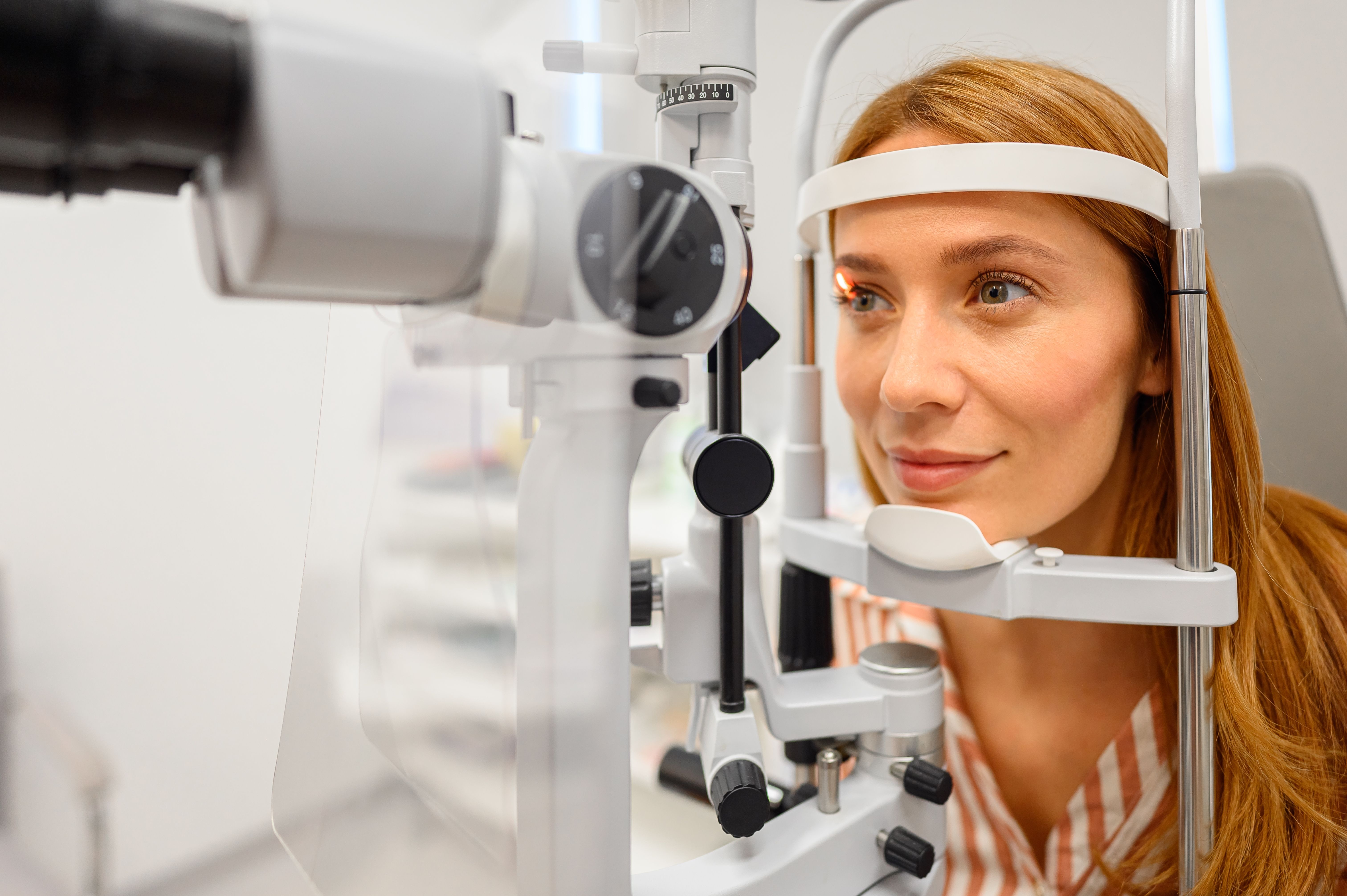
Glaucoma is one of the leading causes of irreversible vision loss, yet many people do not realize they have the condition until it has already progressed. Because it often develops without noticeable symptoms in its early stages, glaucoma can silently damage the optic nerve over time. Fortunately, specialized glaucoma testing during routine eye exams can detect early warning signs before significant vision loss occurs. At Berris Optical, early detection plays a crucial role in helping patients manage glaucoma and preserve their eyesight.
Glaucoma is a group of eye conditions that damage the optic nerve, the part of the eye responsible for transmitting visual information from the retina to the brain. This damage is often associated with increased pressure inside the eye, known as intraocular pressure.
The most common form, open-angle glaucoma, develops gradually and usually has no early warning signs. Peripheral vision is typically affected first, which means people may not notice changes until the disease has progressed. Because vision lost to glaucoma cannot be restored, early detection is essential.
When glaucoma is diagnosed early, treatment can slow or stop further damage to the optic nerve. Early treatment may include prescription eye drops, lifestyle recommendations, or other therapies designed to control eye pressure.
Without early testing, glaucoma can continue progressing unnoticed, eventually causing permanent vision loss. Regular eye exams make it possible to identify subtle changes in the eye long before symptoms appear.
Eye care professionals use several diagnostic tests during a comprehensive eye exam to identify early signs of glaucoma. These tests are painless, quick, and highly effective in detecting changes in the eye.
The frequency of glaucoma testing depends on age, risk factors, and overall eye health. Many adults benefit from annual comprehensive eye exams that include glaucoma screening. Patients with higher risk or early signs of glaucoma may need more frequent monitoring. Regular exams allow eye doctors to track small changes over time and take action before vision is affected.
Glaucoma is a serious eye condition that can lead to permanent vision loss if it goes undetected. However, with modern glaucoma testing and routine comprehensive eye exams, it is possible to identify the earliest signs of the disease and begin treatment before significant damage occurs.
If you have risk factors for glaucoma, schedule an eye exam with Berris Optical today. Visit our office in Rocky River, Ohio, or call (440) 571-7100 to book an appointment.


| Monday | 10:00am - 8:00pm |
| Tuesday | 10:00am - 8:00pm |
| Wednesday | Closed |
| Thursday | 10:00am - 6:00pm |
| Friday | 10:00am - 6:00pm |
| Saturday | 9:00am - 2:00pm |
| Sunday |
© 2025 Berris Optical - All Rights Reserved | Accessibility Statement | Sitemap
Powered by:


